When a customer brings in a piece of old aluminum siding, the goal is not to promise an exact match too quickly. Learn how contractors should identify the profile, measure the exposure, inspect the finish, compare colors and determine whether repair, replacement or a broader siding solution makes the most sense.
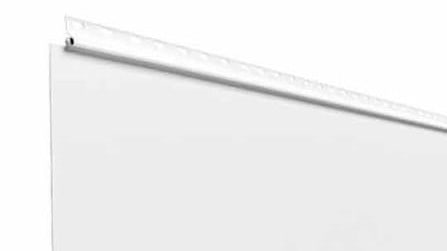
A Customer Brings You a Piece of Old Aluminum Siding—What Do You Do Next?
A customer walks into the showroom carrying a piece of aluminum siding that may have been on the house for 20, 30 or even 40 years.
They usually have one question:
"Can you match this?"
The worst answer is a fast yes.
At Suburban Wholesale & Supply, we believe the right approach is to identify the siding carefully, compare the profile and color honestly, and then determine whether a repair, partial replacement or larger siding project makes the most sense.
Step 1: Don't Promise an Exact Match
This is the first rule.
Old siding may have been manufactured by a company that no longer exists. The profile may have changed. The finish may have weathered. The original color may no longer be available.
So do not say:
"No problem, we can match that."
Say:
"Let's identify the profile, exposure, texture and color first. Then we'll see how close we can get and what the best repair option looks like."
Step 2: Measure the Exposure
Start with the visible face of the siding.
Measure how much of each course shows when installed.
Common questions include:
- Is it a 4-inch exposure?
- Is it a 5-inch exposure?
- Is it a wider 8-inch style?
- Is it a double profile or single profile?
Exposure is one of the fastest ways to narrow down the possibilities.
Step 3: Identify the Profile
Do not stop at width.
Look at how the siding is formed.
Compare:
- Clapboard shape
- Butt depth
- Locking edge
- Nailing hem
- Panel thickness
- Overall panel geometry
Two pieces of siding may both be called Double 4 and still not interlock correctly.
Matching exposure is not the same as matching the lock.
Step 4: Inspect the Texture
Is the panel smooth?
Does it have a woodgrain texture?
Texture matters both visually and when trying to find the closest current product.
A smooth replacement panel beside an older woodgrain panel may stand out even if the color is close.
Step 5: Look for Manufacturer Markings
Turn the siding over.
Check the back, nailing hem and lock area for any printed markings, stamps or identifiers.
Look for:
- Manufacturer name
- Product code
- Color code
- Production date
- Batch information
Any of those details can make identification easier.
Step 6: Understand That the Color Has Probably Changed
This is one of the biggest matching problems.
The piece in the customer's hand may not look exactly like it did when it was installed.
Years of exposure can affect appearance through:
- Sunlight
- Weathering
- Dirt
- Oxidation
- Chalking
- Uneven exposure
Even if the original color name still exists, a brand-new panel may not visually match the weathered siding around it.
Compare the Hidden Area
If possible, look at an area of the old siding that was less exposed to sunlight and weather.
The backside of an overlap or a section that was hidden behind trim may give you a better idea of the original color.
That can help explain why a new panel may look different from the exposed face of the old siding.
Step 7: Compare Current Gentek Aluminum Products
Once you know the profile and texture, compare the old siding against current Gentek aluminum options.
That may include:
- Deluxe Aluminum
- Woodgrain Series 2000
- Cedarwood Aluminum
The goal is not to force a current product into the repair. The goal is to determine whether one of today's products is dimensionally and visually appropriate.
Step 8: Test the Lock Before You Sell the Piece
This is critical.
Two aluminum panels may appear nearly identical from the front and still not properly connect.
Whenever possible, physically compare the old piece with the current product to see whether the lock and panel geometry are compatible.
A close color match is useless if the panel cannot be installed correctly.
Step 9: Ask How Much Siding Is Actually Damaged
Do not assume the customer only needs one piece because they brought one piece with them.
Ask:
- How many panels are damaged?
- Is the damage isolated?
- Is one entire wall affected?
- Was the damage caused by hail or impact?
- Are there other areas with similar problems?
The answer can completely change the recommended solution.
One Damaged Panel May Be a Repair
If the damage is limited and a compatible profile can be found, replacing one or a few panels may be reasonable.
But explain the likelihood of color variation before the work begins.
A functional repair and an invisible repair are not always the same thing.
Sometimes Replacing an Entire Wall Makes More Sense
If the exact profile exists but the color difference will be obvious, replacing a larger section may create a more consistent appearance.
One possible strategy is to replace an entire elevation rather than scattering new panels throughout old siding.
That decision should be based on appearance, budget, material availability and the overall condition of the existing exterior.
Sometimes the Repair Becomes a Re-Siding Conversation
Be careful here.
Do not turn every repair request into an aggressive full-house siding pitch.
But there are situations where broader replacement deserves discussion.
For example:
- The original siding is no longer available.
- The locking system cannot be matched.
- Large areas are damaged.
- The homeowner strongly objects to visible color mismatch.
- Multiple elevations have deteriorated.
- The homeowner was already considering exterior replacement.
Don't manufacture a larger project. Explain the repair limitations and let the homeowner decide how far they want to go.
Don't Assume Painting Is the Easy Answer
Customers may ask whether a replacement panel can simply be painted to match.
That can introduce another set of questions involving surface preparation, coating compatibility, color matching, durability and future maintenance.
Do not casually promise that painting will create an exact or permanent match.
Take Photos of the House
The loose siding sample only tells part of the story.
Ask for photos showing:
- The entire elevation
- The damaged area
- Nearby windows and doors
- Corners
- Transitions
- Any areas where color differences may be especially visible
Better yet, inspect the house before finalizing the repair recommendation.
Ask Where the Damaged Piece Came From
Location matters.
Was the panel:
- High on a gable?
- Next to the front door?
- In the middle of the most visible elevation?
- Behind landscaping?
- On the side of the garage?
A slight mismatch on a low-visibility wall may be acceptable to one homeowner while the same mismatch on the front elevation may be completely unacceptable.
Set Expectations Before Ordering Material
Before the customer approves a repair, explain exactly what you know and what you do not know.
Discuss:
- Whether the profile appears compatible
- Whether the lock has been verified
- How close the color appears
- Why old and new finishes may differ
- Whether the replacement will be visible
That conversation protects both the homeowner and the contractor.
Build an Old-Siding Identification Kit
Contractors and supply counters can make this process easier by keeping a small identification kit available.
Consider including:
- Tape measure
- Calipers
- Current Gentek profile samples
- Current color charts
- Actual siding color samples
- Profile specification sheets
- Camera or phone for documentation
- Labels for identifying customer samples
A repeatable process is much more reliable than guessing from memory.
A Simple Counter Process
- Measure the visible exposure.
- Identify whether it is single or double profile.
- Inspect the texture.
- Measure the butt depth.
- Inspect the lock and nailing hem.
- Look for manufacturer markings.
- Compare current Gentek profiles.
- Compare current colors.
- Check a less-weathered section if possible.
- Ask how much siding is damaged.
- Ask for project photos.
- Verify physical compatibility before ordering.
- Explain color-match limitations.
- Then recommend repair, partial replacement or broader replacement.
A Better Customer Explanation
"The first thing we need to do is identify exactly what you have. We'll measure the exposure, look at the profile and locking system, and compare it with current products. Then we'll look at color. Because your existing siding has been outside for years, even the original color may not look the same as a new panel today. Once we know how close we can get, we can decide whether replacing a few pieces makes sense or whether another repair approach would look better."
Don't Sell Certainty You Don't Have
This is the core lesson.
Old aluminum siding identification is part product knowledge and part detective work.
Sometimes you will find a very close current replacement.
Sometimes you will not.
A professional answer is not always, "Yes, we can match it." Sometimes the professional answer is, "Here's how close we can get, and here are your realistic options."
Bring Old Aluminum Siding Samples to Suburban Wholesale & Supply
Suburban Wholesale & Supply works with professional siding contractors throughout Davenport, Bettendorf, Moline, Rock Island and the surrounding Quad Cities, Eastern Iowa and Western Illinois.
If you're trying to identify an older aluminum siding profile, bring the cleanest full-size piece you have available along with photos and measurements from the project.
Our team can help compare the sample with current Gentek aluminum siding profiles, colors and product information and help you determine the next practical step.
Sources & Additional Resources
- Gentek Building Products — Deluxe Aluminum Siding: Current profile, texture, color and product information useful when comparing older smooth aluminum siding.
- Gentek Building Products — Woodgrain Series 2000 Aluminum Siding: Current profile and texture information useful when identifying older woodgrain aluminum siding.
- Gentek Building Products — Cedarwood Aluminum Siding: Current Double 5-inch profile and variegated aluminum siding information.
- Gentek Building Products — Product Directory: Current product specifications, profile information and color availability for Gentek aluminum siding.
- Gentek Building Products — Aluminum Siding Warranty Resources: Current manufacturer information regarding applicable aluminum siding products and finishes.
- The Aluminum Association — Building & Construction: Industry information regarding aluminum exterior building products and material characteristics.
Part of: Selling Siding & Windows
More in Selling Siding & Windows
- Why Contractors Should Show Homeowners Custom Aluminum Work
- Can Better Aluminum Work Help Sell Higher-End Siding Jobs?
- How to Train Your Salespeople to Offer Vinyl, Steel, Aluminum and Composite Siding | Suburban Wholesale & Supply
- How to Price Custom Aluminum Work Without Giving Away Your Labor | Suburban Wholesale & Supply
Sample books, color decks, demo kits and cutaways are available at the counter, and most are free.
Share This Post
Share it on Facebook or X, or send it through your device share sheet for Instagram.