Leftover siding can become a return, a homeowner repair supply, useful contractor inventory, or recyclable scrap. A clear closeout process keeps the material identifiable and protects its value.
Contractor Materials & Job Closeout Guide
How Should Contractors Handle Leftover Siding Materials?
The last day of installation is not the last step in managing siding materials. Unopened cartons, usable partial panels, short offcuts, and damaged pieces have different possible uses. A contractor should count and sort what remains, confirm who owns it under the agreement, and decide what can be returned, kept for repairs, used on a future job, or sent to an appropriate recycler.
Start With a Final Material Count
Do not throw every leftover piece into one pile. Before the crew clears the site, separate the material into useful groups:
- Unopened, undamaged cartons: Potential return candidates, subject to the supplier’s terms.
- Full or usable partial panels: Possible repair stock or material for an appropriate future project.
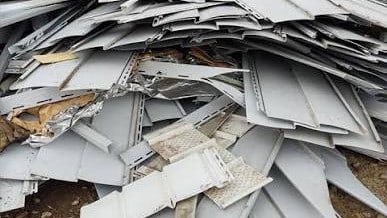
- Clean scrap and short offcuts: Possible recycling material where a suitable program accepts it.
- Damaged or contaminated material: Handle according to the material type and local disposal requirements.
Record the product manufacturer, line, profile, color, quantity, and condition. Keep carton labels or a photo of them with the job record. This is much more useful than a note saying “three boxes of gray siding.”
Confirm Who Owns the Leftover Material
Check the signed proposal and any change orders before removing or leaving materials at the house. Contract terms and the way the job was priced determine how unused materials should be handled. If the agreement does not make that clear, resolve it with the homeowner during closeout and document the decision.
Some homeowners appreciate a few matching pieces for a possible future repair. Others have no place to store a carton. If material is left with the homeowner, identify it in writing and explain where it should be stored. If the contractor retains material for another job, remove it from the site and account for it in the company’s inventory and job-cost records.
Ask About Returns Before Making a Return Trip
An unused carton is not automatically returnable. Return terms can depend on whether it is a stocked item or special order, whether packaging is intact, how long ago it was purchased, and the condition of the product. Applicable freight or restocking charges can change the value of the credit.
Contact the supplier with the invoice and exact product details before loading a truck. Confirm which items may be returned, the deadline, the required condition, and how the credit will be issued. Loose panels, trim, and accessories may be treated differently from sealed cartons. Do not promise a homeowner a refund based on an unconfirmed supplier return.
Keep Repair Material Only If You Can Identify and Protect It
A matching panel may be valuable years later if an isolated section is damaged. Save the product name, profile, color, and installation date with the retained material or the homeowner’s project documents. Keeping a carton without that information makes it much harder to use correctly later.
For vinyl siding, the Polymeric Exterior Products Association (PEPA) installation manual calls for cartons to be kept flat, supported along their length, dry, and away from activity that could damage them. It also warns against excessively hot storage locations. Use the current manufacturer instructions for the specific material; steel, aluminum, and composite cladding may require different handling.
Put Usable Contractor Stock Into a Real Inventory
If the contractor owns suitable surplus, label it and place it where the team can find it. Record quantities and their location. Before counting leftover material toward a future order, check its condition and confirm it matches the new project’s product, profile, and color.
A pile of unmarked panels is not dependable inventory. It takes up space, can be damaged, and may cause someone to buy the same material again. When suitable material is assigned to another job, transfer its cost in the job records instead of treating it as free.
Can Leftover Vinyl Siding Be Recycled?
Potentially, but call first. PEPA’s vinyl siding recycling guidance says clean used, unused, and new vinyl scrap can enter participating programs. It advises removing dirt, fasteners, and other contaminants and confirming whether a local recycler or distributor accepts the material. Infrastructure and acceptance rules vary by location.
Keep vinyl separate from metal, composite, packaging, and mixed jobsite debris if a recycler requires sorted material. Do not assume that a curbside bin accepts siding or that every siding product can use a vinyl recycling program. The U.S. EPA’s construction and demolition materials guidance encourages salvage and reuse when practical, with recycling as another way to divert suitable materials from disposal.
Use Leftovers to Improve the Next Takeoff
A final count tells you whether the original order was close. Compare the measured coverage, planned waste allowance, cartons purchased, extra orders, material installed, material returned, and usable or discarded leftovers. Separate normal cuts from ordering errors and unexpected scope changes.
PEPA’s vinyl siding estimating worksheet uses a 10% factor for waste and lists accessories separately. Actual leftover quantities from completed jobs help a contractor decide whether that starting allowance fits its own product mix and house layouts. The EPA’s broader materials guidance identifies source reduction—preventing unnecessary material from being purchased or discarded—as a useful first step.
A Simple Siding Closeout Checklist
- Count unopened cartons, usable pieces, and scrap by product and color.
- Check the contract and document the plan for homeowner or contractor-owned material.
- Confirm return eligibility and credit with the supplier before transporting items.
- Label and properly store material being retained for repairs or future work.
- Ask local facilities whether they accept clean vinyl or another specific siding material.
- Record returns, retained inventory, recycling, and disposal in the job cost.
Plan the Next Material Order With Suburban Wholesale
Suburban Wholesale & Supply works with contractors across Davenport, Bettendorf, Moline, Rock Island, and surrounding Eastern Iowa and Western Illinois communities. Our Davenport team can help review siding profiles and accessories, package quantities, availability, and order details before the next job begins. Ask us about the return terms for the specific items you are considering; terms should be confirmed before purchase.
The contractor remains responsible for field measurements and the final installation takeoff. Bring the next set of elevations and product selections to our professional quoting team, request a material quote online, or call 563-391-4000.
Industry Resources & References
- Polymeric Exterior Products Association — Vinyl Siding Installation Manual
- Polymeric Exterior Products Association — Vinyl Siding Recycling
- Polymeric Exterior Products Association — Vinyl Siding Estimating Worksheet
- U.S. Environmental Protection Agency — Best Practices for Reducing, Reusing, and Recycling Construction and Demolition Materials
- U.S. Environmental Protection Agency — Sustainable Management of Construction and Demolition Materials
Part of: Estimating & Ordering
More in Estimating & Ordering
- How to Avoid Jobsite Material Shortages | Suburban Wholesale & Supply
- How to Estimate Vinyl Siding Materials | Suburban Wholesale & Supply
- Daily Jobsite Material Delivery | Suburban Wholesale & Supply
- Why Next-Day Siding Delivery Saves Contractors Money
Upload your HOVER report and our wholesale team will turn it into a material quote within 24-48 hours. For next-day delivery, get your order in by 3pm the day before.
Share This Post
Share it on Facebook or X, or send it through your device share sheet for Instagram.