ASCEND Composite Cladding should be cleaned gently with clear water from a garden hose and a soft-bristled brush. For heavier dirt or mildew, use the manufacturer’s recommended cleaning mixture, work in small sections, and rinse before the solution dries.
ASCEND Contractor Resource Center
How Should ASCEND Be Cleaned?
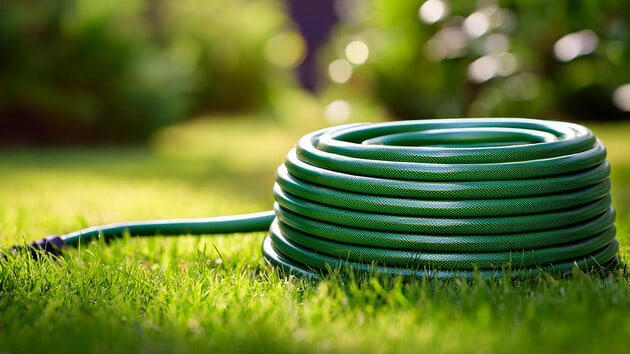
ASCEND Composite Cladding should be cleaned gently with clear water from a garden hose and, when needed, a soft-bristled washing brush. For heavier dirt, soot, grime, or mildew, the manufacturer provides specific cleaning-mixture instructions. Pressure washing, aggressive scrubbing, harsh chemicals, and abrasive tools should be avoided.
ASCEND is designed to deliver the high-end appearance of painted wood without the same level of ongoing maintenance. In many cases, normal rainfall will remove light dust and surface dirt. Areas under roof overhangs, porches, trees, or other protected locations may need occasional rinsing because they receive less direct rain.
The safest approach is also the simplest: begin with water, use the least aggressive cleaning method that works, and rinse the surface thoroughly before any cleaning solution dries.
ASCEND Cleaning Instructions at a Glance
- Start with clear water: Rinse the cladding periodically with a standard garden hose.
- Use a soft-bristled brush: Choose a long-handled washing brush that can attach to the hose.
- Do not scrub aggressively: Vigorous rubbing may create glossy areas in the finish.
- Work in small sections: Clean only an area you can rinse before the solution dries.
- Clean from the bottom upward: This can help reduce streaking during washing.
- Rinse thoroughly: Use clear water to remove all cleaning residue.
- Do not pressure wash: Damage caused by power washing may be excluded from warranty coverage.
Begin with a Garden Hose
Routine cleaning should begin with a gentle rinse from a garden hose. Direct the water across the face of the cladding rather than forcing it upward into laps, seams, trim transitions, or ventilation openings.
Pay particular attention to areas that do not receive regular rain, including walls beneath covered porches, deep roof overhangs, trees, awnings, and other protected sections of the exterior.
Use a Soft-Bristled Washing Brush
When rinsing alone does not remove the dirt, use a soft-bristled, long-handled washing brush. A brush that attaches directly to a garden hose can make the cleaning process easier while keeping the water pressure gentle.
Avoid stiff brushes, scouring pads, wire brushes, and aggressive rubbing. ASCEND warns that vigorous scrubbing may create glossy areas that look different from the surrounding cladding finish.
The Right Cleaning Tools
- Standard garden hose
- Soft-bristled washing brush
- Long handle or hose-attached brush
- Clean bucket for mixing solution
- Protective gloves and eye protection
- Plastic sheeting when nearby landscaping needs protection
What Cleaning Solution Should Be Used?
For hard-to-remove dirt, soot, or industrial grime, ASCEND’s published cleaning guidance provides a specific cleaning mixture. Do not make the mixture stronger than recommended, because a higher concentration may damage or alter the cladding finish.
Manufacturer-Recommended Cleaning Mixture
- 1/3 cup powdered detergent
- 2/3 cup household cleaner
- 1 gallon of water
Mix the solution thoroughly and test it on a small, less-visible area before cleaning a larger portion of the exterior.
How Should Mildew Be Removed?
Homes in humid or shaded areas may develop mildew or organic surface staining. When mildew is present, the manufacturer allows the standard cleaning mixture to be adjusted by replacing one quart of the water with one quart of laundry bleach.
Bleach requires careful handling. Protect nearby plants, wear appropriate skin and eye protection, and rinse both the cladding and surrounding landscaping thoroughly after cleaning.
Important Chemical Safety Warning
Never mix bleach with ammonia or an ammoniated cleaning product. Combining these chemicals can create dangerous and potentially deadly fumes.
What Is the Correct Cleaning Process?
- Inspect the cladding and surrounding trim before cleaning.
- Close nearby windows and doors.
- Wet and protect plants, flowers, shrubs, and landscaping.
- Rinse loose dirt from the cladding with clear water.
- Apply the approved cleaning solution to a small section.
- Brush the area gently with a soft-bristled washing brush.
- Allow the solution to remain wet briefly without letting it dry.
- Rinse the cleaned section thoroughly with clear water.
- Move to the next small section and repeat the process.
- Complete a final rinse to remove remaining residue.
Why Work from the Bottom Up?
Applying the cleaning process from the bottom of the wall upward can help reduce streaking. Once a section has been cleaned, rinse it thoroughly with clear water so the cleaning solution does not dry on the finish.
Do not attempt to wash an entire wall at once. Working in manageable sections gives you better control over dwell time, brushing, and rinsing.
What Weather Is Best for Cleaning ASCEND?
A cool, overcast day is generally best. Direct sun and high temperatures can cause cleaning solutions to dry too quickly, increasing the risk of streaking or residue.
- Choose a mild, overcast day when possible.
- Avoid cleaning cladding that is hot to the touch.
- Do not clean during freezing conditions.
- Avoid windy weather that may blow cleaning solution onto nearby surfaces.
- Keep each section wet until it is thoroughly rinsed.
What Cleaning Products Should Be Avoided?
Harsh products can damage the finish or create conditions that may not qualify for warranty protection. Do not assume that a cleaner is safe simply because it is marketed for exterior siding.
Avoid Using:
- Abrasive cleaners or powders
- Solvents
- Ammoniated cleaning products
- Paint removers
- Brick-washing chemicals
- Strong acids or salts
- Stiff brushes or scouring pads
- Unapproved concentrated cleaning chemicals
Should ASCEND Be Pressure Washed?
No. ASCEND’s written warranty excludes damage or material failure caused by power washing. High-pressure water can affect the finish, force moisture into vulnerable areas, and create damage that may not be covered.
Contractors and cleaning companies should not use a powered washing method unless they have specific written authorization from the manufacturer for the exact equipment, chemicals, pressure, and application process being considered.
Can ASCEND Be Soft-Washed?
The term “soft washing” can mean different things to different contractors. Some systems still use powered pumps, chemical concentrations, or application methods that may fall outside ASCEND’s published cleaning instructions.
The safest approach is to follow the written guidance: use a garden hose, clear water, a soft-bristled brush, and the approved cleaning mixture when necessary. Obtain written direction from ASCEND before using any alternative powered cleaning system.
How Often Should ASCEND Be Cleaned?
There is no single schedule that fits every property. Cleaning frequency depends on tree coverage, shade, road dust, nearby agricultural or industrial activity, humidity, landscaping, and the amount of direct rainfall each wall receives.
- Inspect the exterior at least once a year.
- Rinse protected or shaded areas when dirt begins to collect.
- Address mildew before it spreads across larger sections.
- Clean gutters and downspouts to reduce dirty runoff.
- Trim vegetation away from the cladding to improve airflow.
- Check the exterior after construction, landscaping, or roofing work.
How Can Contractors Help Protect the Finish?
Contractors should provide homeowners with the official ASCEND cleaning guide at the completion of the project. A short maintenance conversation can prevent aggressive cleaning, unsuitable chemicals, and unnecessary warranty disputes later.
Recommended Project Closeout Information
- ASCEND product and color information
- Official cleaning and maintenance instructions
- Current written warranty
- Original invoice and installation date
- Installing contractor’s contact information
- Photos of the completed exterior
- Guidance against pressure washing and harsh chemicals
The Bottom Line
ASCEND Composite Cladding should be cleaned gently with a garden hose, clear water, and a soft-bristled brush. For stubborn dirt or mildew, use the manufacturer’s recommended cleaning mixture at the published concentration.
Work in small sections, avoid aggressive scrubbing, rinse before the solution dries, protect surrounding landscaping, and never mix bleach with ammonia. Pressure washing and harsh chemicals should be avoided to help preserve the finish and warranty protection.
Your Local ASCEND Composite Cladding Distributor
Suburban Wholesale & Supply helps contractors, builders, remodelers, and homeowners throughout Eastern Iowa and Western Illinois understand ASCEND Composite Cladding products, accessories, installation requirements, maintenance recommendations, and warranty provisions.
Our knowledgeable team can help you review product literature, compare profiles and colors, order compatible accessories, and find the technical information needed to install and maintain ASCEND correctly.
Why Contractors Choose Suburban Wholesale & Supply
- ASCEND Composite Cladding product expertise
- Contractor-focused technical guidance
- Competitive building-material pricing
- Local inventory and product availability
- Jobsite delivery across Eastern Iowa and Western Illinois
- Training resources for professional installers
Contractor Notes
We‘re here to help.
Suburban Wholesale & Supply works with contractors, remodelers, builders, and property professionals across Davenport, Bettendorf, Moline, Rock Island, and the wider Quad Cities. If How Should ASCEND Be Cleaned? | Suburban Wholesale & Supply affects a project you are pricing, our team can help compare product lines, confirm available options, and prepare a quote that fits the opening, exterior, or jobsite requirements.
Our counter and showroom teams support window, patio door, entry door, storm door, siding, trim coil, gutter protection, and accessory orders every week. We can talk through manufacturer differences, color and finish selections, installation details, lead times, and documentation so you can give your customer clear answers before the work begins.
For current availability, contractor pricing, product literature, or help matching this topic to a real project, contact Suburban Wholesale & Supply or send the details through our quote form. We will help you move from product research to an accurate material order with fewer surprises.
Share This Post
Share it on Facebook or X, or send it through your device share sheet for Instagram.