Learn how siding contractors can use a TAPCO Brake Buddy to add ribs and decorative details to trim coil for more dimensional window wraps, fascia, door trim, and custom exterior profiles.
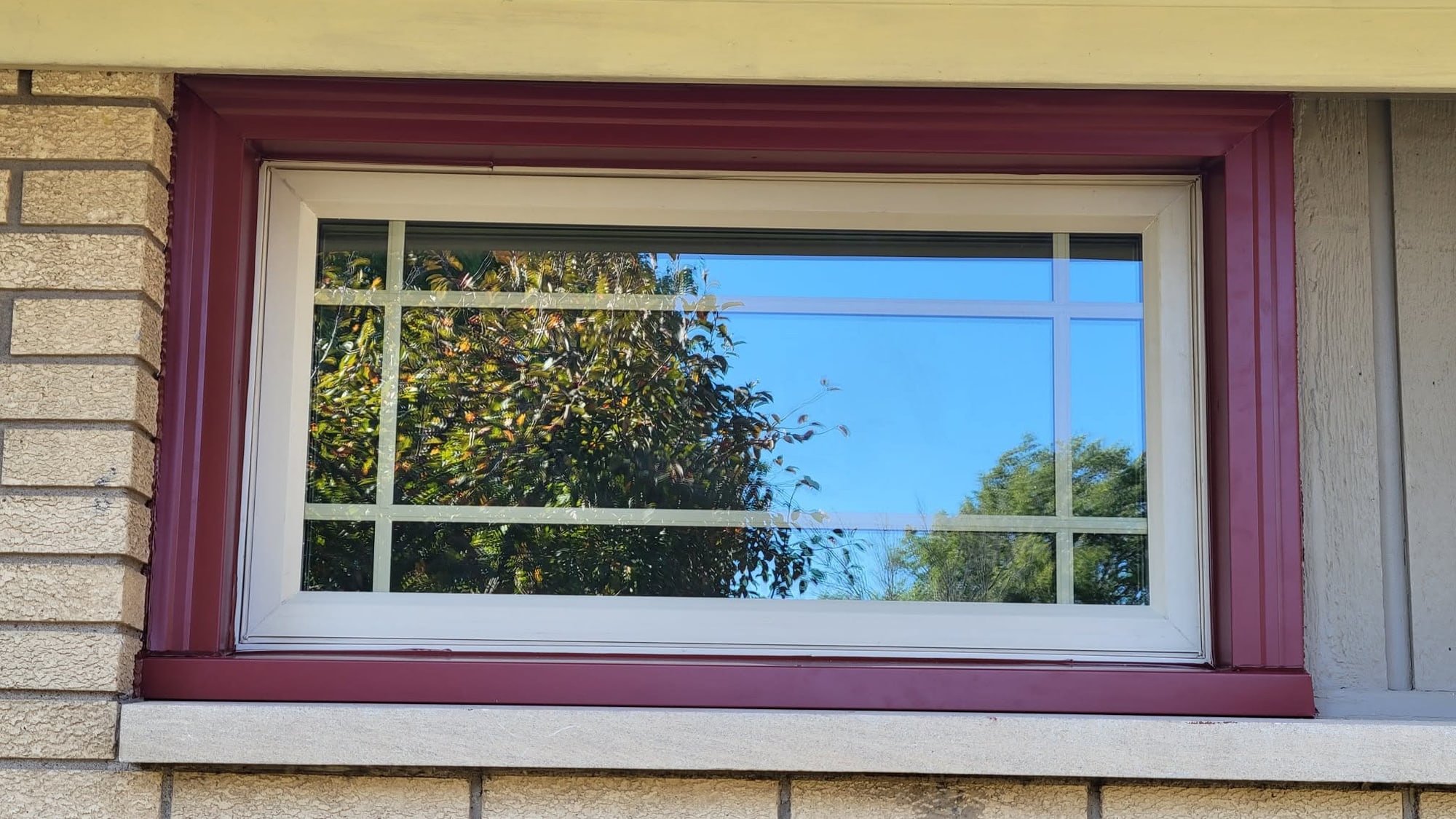
Brake Buddy Fabrication & Decorative Trim Coil
Using a Brake Buddy to Add Ribs and Decorative Details to Trim Coil
A siding brake gives contractors the ability to bend flat trim coil into custom exterior profiles. A TAPCO Brake Buddy adds another layer of fabrication by allowing installers to roll-form ribs and decorative details into the material before the final bends are made. Used correctly, those details can add dimension, visual interest, and a more custom appearance to window wraps, fascia, door trim, and other exterior components.
Professional brake work is about more than covering wood with aluminum.
The best installers think about proportion, shadow lines, consistency, color, and how the finished trim works with the architecture of the house.
A Brake Buddy gives contractors another way to control those details.
Instead of limiting trim coil fabrication to straight bends and hems, crews can introduce formed ribs and profiles into the visible face of the material.
What Does the Brake Buddy Actually Do?
The TAPCO Brake Buddy is a roll-forming tool designed to work with portable siding brakes.
Instead of creating another straight bend, the tool uses rollers to form a raised rib or decorative profile into trim coil.
TAPCO describes the Brake Buddy as a tool for forming brickmould-style trim and decorative ribs in compatible trim-coil materials.
That means the installer can take a flat piece of coil, add the desired formed detail, and then use the brake to complete the final profile.
Why Add a Rib to Trim Coil?
Completely flat trim can look clean, but it can also look plain on wider surfaces.
A formed rib adds dimension to the face of the material.
That additional shadow line can make window wraps, fascia, wide trim boards, and other fabricated pieces look more intentional and architectural.
The goal is not decoration for the sake of decoration. The goal is to create a detail that supports the overall exterior design.
Brickmould-Style Window Trim Is One of the Best Applications
Traditional brickmould has shape and depth.
When existing wood trim is wrapped with completely flat aluminum, some of that dimensional character can disappear.
A Brake Buddy can add a formed rib into the trim coil before the window-wrap profile is bent.
That can help give the finished window surround a more substantial, custom-fabricated appearance.
Fascia Can Benefit From a Consistent Rib Too
Fascia creates long horizontal and sloped lines across a home's roofline.
On wider fascia surfaces, a formed rib can add definition to what might otherwise be a large flat piece of aluminum.
TAPCO includes fascia rollers with the Brake Buddy system, giving contractors a dedicated option for this type of fabrication.
The important thing is maintaining consistent rib placement from one piece to the next so the finished roofline looks continuous rather than pieced together.
Door Surrounds Can Take on a More Architectural Look
Entry doors are natural focal points.
Wider fabricated aluminum trim around an entry door can provide enough visible surface for a formed rib or decorative detail to make a noticeable difference.
This can be especially effective around doors with sidelites, transoms, or larger trim packages.
Used consistently, the formed profile can help the door surround feel more intentional and less like a basic aluminum wrap.
Wider Trim Boards Give the Detail More Room to Work
Decorative ribs are often more effective on wider visible surfaces.
Frieze-board covers, wide window heads, fascia, and architectural trim bands can give the installer more space to position the rib in a visually balanced location.
Narrower pieces may look better with a simpler detail.
Good fabrication starts with understanding the scale of the finished trim rather than adding the same profile everywhere.
Rib Placement Is Adjustable
One of the useful features of the Brake Buddy is the ability to adjust the position of the formed rib.
TAPCO designed the tool to use the edge of the material as a guide while allowing the installer to adjust rib spacing.
That gives contractors more control over where the detail appears on the finished piece.
The rib can be moved closer to or farther from an edge depending on the size and proportions of the final profile.
Multiple Ribs Can Be Used When the Design Calls for It
The Brake Buddy can also be positioned to create multiple ribs in certain trim profiles.
That does not mean more ribs are automatically better.
On a wide architectural band or fascia profile, multiple ribs may create the desired appearance. On a smaller window wrap, one simple formed detail may look cleaner.
The finished architecture should determine the amount of decoration, not simply what the tool is capable of producing.
Different Roller Sets Expand the Possibilities
TAPCO offers multiple roller profiles for the Brake Buddy system.
Standard roller options include rib and brickmould-style forming, while additional roller options can expand the range of decorative profiles available to experienced fabricators.
This gives contractors the ability to develop different fabrication styles for different types of projects.
A basic siding package may call for simple trim, while a premium exterior package may justify more detailed formed profiles.
Think Through the Finished Profile Before You Start
Good Brake Buddy work starts before the material ever touches the rollers.
Contractors should determine:
- The finished face width
- The location of the rib
- The bend sequence
- Where hems will be placed
- How pieces will overlap
- Which surfaces will remain visible
Think about the completed profile first and then work backward to determine where the detail needs to be formed into the flat material.
Fabrication Sequence Matters
The order in which the rib and bends are created can affect the finished piece.
Experienced installers plan the forming sequence so the decorative detail ends up on the correct visible surface after the coil is bent into its final shape.
A beautiful rib in the wrong location does not help the finished trim.
Planning first can prevent wasted material and unnecessary remakes.
Practice With Scrap Before Starting the Finished Pieces
New profiles should be tested before producing a full set of window wraps or fascia.
Use scrap coil to test:
- Rib position
- Roller adjustment
- Bend locations
- Hem dimensions
- Final face width
- Overall proportions
Once the profile looks right, record the dimensions so the crew can reproduce it consistently.
Consistency Is More Important Than Complexity
The best decorative trim does not necessarily have the most details.
One clean rib repeated consistently around twenty windows can look far more professional than several different decorative patterns used randomly across the same house.
Contractors should establish a visual language for the project and repeat it where appropriate.
Standard Profiles Can Become Part of Your Company's Finish Work
Siding companies can develop their own repeatable Brake Buddy profiles for common applications.
For example:
- A standard brickmould-style window wrap
- A premium entry-door surround
- A ribbed fascia profile
- A wide architectural trim profile
- A premium exterior-package detail
Once documented and taught to the crew, those details can improve consistency and potentially become part of the finished look customers associate with the contractor.
Decorative Fabrication Can Support Premium Siding Sales
Contractors selling premium siding should think about the entire exterior package.
Premium vinyl siding, composite cladding, and steel siding often have deeper shadow lines and more substantial profiles than basic siding.
Flat, generic-looking trim can sometimes feel disconnected from that upgraded appearance.
Carefully formed window wraps, fascia, and door surrounds can help the surrounding craftsmanship better match the level of the siding being installed.
Show Homeowners the Difference
Custom fabrication can also become a valuable sales tool.
Take close-up photos of finished trim details and include them in your sales presentation.
Show the homeowner how your company finishes windows, fascia, doors, and architectural trim.
Most homeowners do not need to know the technical name of the tool.
They can see the difference in craftsmanship.
Good Decorative Details Still Depend on Good Brake Work
A decorative rib will not compensate for poor fabrication.
Professional results still depend on:
- Accurate measuring
- Clean cuts
- Straight bends
- Consistent hems
- Proper overlaps
- Careful handling
- Repeatable dimensions
- Clean installation
The Brake Buddy should enhance good workmanship rather than becoming a distraction from the basics.
Decorative Trim Does Not Replace Proper Flashing
Appearance should always work with performance.
A formed window wrap does not replace proper flashing, weather-resistant barrier integration, or drainage details.
Brake Buddy fabrication should complement the complete exterior system and follow applicable manufacturer installation requirements.
Use Compatible Trim Coil
Contractors should use materials appropriate for the Brake Buddy and the specific application.
TAPCO's documentation identifies the Brake Buddy for forming brickmould trim and decorative ribs in .019 aluminum, PVC-coated aluminum, and vinyl-coated trim coil.
Using compatible material helps crews achieve more predictable forming results and avoid unnecessary damage to the coil.
Color Is Part of the Decorative Detail
A custom profile can look completely different depending on the trim-coil color.
Contractors should think about how fabricated trim coordinates with:
- Siding
- Windows
- Doors
- Soffit
- Fascia
- Corner posts
- Stone or masonry accents
Explore Gentek Performance G8 Trim Coil through Suburban Wholesale & Supply.
Better Fabrication Starts at the Sales Counter
The crew can only fabricate what it has on the jobsite.
Contractors should plan siding panels, trim coil, starter strip, J-channel, utility trim, corner posts, soffit, fascia, mounting blocks, flashing materials, and other accessories as one complete project package.
Suburban Wholesale & Supply supports siding contractors throughout Davenport, Bettendorf, Eldridge, Moline, Rock Island, East Moline, and the greater Quad Cities with siding inventory, accessories, trim coil, product knowledge, training, material planning, and jobsite delivery.
Learn more about contractor support from Suburban Wholesale & Supply .
Decorative Trim Should Look Custom, Not Complicated
The strongest Brake Buddy details are often simple, consistent, and repeated in the right places.
Contractors do not need a different profile on every piece of trim. They need a few well-designed details that installers can reproduce professionally.
Combine formed ribs with good brake work, proper flashing, quality siding, thoughtful color coordination, and professional installation, and decorative fabrication can become another way to elevate the finished exterior.
Suburban Wholesale & Supply supports local contractors with siding, trim coil, accessories, product knowledge, training, material planning, sales support, and local jobsite delivery throughout the Quad Cities, Eastern Iowa, and Western Illinois.
Need Trim Coil and Accessories for Your Next Custom Siding Job?
Talk with the sales counter team at Suburban Wholesale & Supply. Bring your measurements, photos, plans, or material list and let our team help coordinate siding, trim coil, soffit, fascia, channels, corners, accessories, and jobsite delivery for your next project.
Part of: Aluminum & Trim
More in Aluminum & Trim
- Jobsite Brake Setup: Build a Better Siding Fabrication Station
- TAPCO Brake Accessories That Make Siding Crews More Productive
- How Better Brake Work Separates Professional Siding Contractors
- 5 Details You Can Create With a TAPCO Brake Buddy
We stock 50 trim coil colors, soffit and fascia, along with Malco tools and Tapco brakes. We keep limited quantities of Gentek aluminum siding on hand.
Share This Post
Share it on Facebook or X, or send it through your device share sheet for Instagram.