Why does vinyl siding look wavy after installation? Discover ten common causes, including tight fasteners, insufficient expansion gaps, uneven wall surfaces, improper starter strips, and heat reflection. Suburban Wholesale & Supply helps professional siding contractors throughout the Quad Cities, Eastern Iowa, and Western Illinois understand installation challenges, improve workmanship, and avoid costly callbacks.
Contractor Education & Installation Tips | Suburban Wholesale & Supply
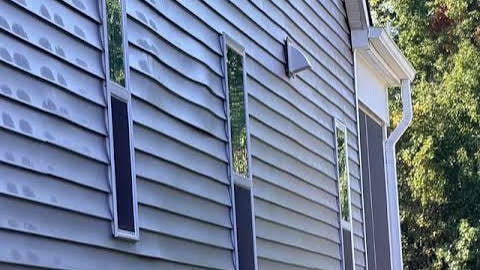
Why Does Vinyl Siding Look Wavy After Installation?
You've finished installing new vinyl siding, stepped back to admire the job, and noticed something doesn't look quite right. Instead of a smooth, consistent appearance, the siding seems wavy, rippled, or uneven. It's a frustrating situation for any contractor, especially when the homeowner notices it too. Understanding what causes wavy vinyl siding can help contractors prevent installation problems, recognize normal material movement, and deliver a better-looking finished project.
Vinyl siding is designed to expand and contract as temperatures change. When properly installed, the panels have room to move while maintaining a consistent appearance. However, incorrect fastening, uneven wall surfaces, and improper clearances can create visible distortion.
For professional siding contractors throughout Davenport, Bettendorf, Eldridge, Moline, Rock Island, and the surrounding Quad Cities, understanding these issues is particularly important because Iowa and Illinois experience significant seasonal temperature changes.
At Suburban Wholesale & Supply, we believe better product knowledge leads to better installations. Here are ten common reasons vinyl siding may appear wavy after installation and what contractors should know about preventing them.
1. The Siding Was Nailed Too Tightly
One of the most common installation-related causes of wavy vinyl siding is fastening the panels too tightly against the wall.
Most conventional horizontal vinyl siding systems are designed to hang from their fasteners rather than being clamped tightly to the wall.
When fasteners restrict movement, thermal expansion can cause panels to buckle, ripple, or distort.
Contractors should follow the manufacturer's fastening instructions, including specified clearance beneath fastener heads. Many traditional vinyl siding products call for approximately 1/32 inch of clearance, but requirements vary by product.
Certain specialty siding systems have different fastening requirements, so never apply one installation rule to every product.
2. There Isn't Enough Room for Expansion and Contraction
Vinyl siding naturally expands when temperatures rise and contracts when temperatures fall.
If panels are cut too tightly against corner posts, J-channel, window trim, or other receiving accessories, they may have nowhere to move as temperatures increase.
The resulting pressure can create buckling or a noticeable wave in the siding.
Manufacturers specify expansion clearances based on product design and installation temperature. Some conventional vinyl siding instructions call for approximately 1/4 inch at receiving channels under typical conditions, with additional clearance in colder weather.
Always use the requirements for the exact siding product being installed.
3. Fasteners Were Installed Outside the Recommended Locations
Fastener placement is just as important as fastening tension.
Conventional vinyl siding generally requires fasteners to be positioned in designated nailing slots according to the manufacturer's instructions.
Incorrect placement, excessive spacing, or fastening through the panel face without an approved method can restrict movement or create uneven support.
Contractors should verify fastener spacing, penetration, and placement requirements before installation begins.
Proper fastening helps panels remain secure while allowing the movement intended by the manufacturer.
4. The Wall Surface Underneath Is Uneven
Not every wavy siding installation is caused by the siding itself.
Uneven sheathing, bowed framing, irregular existing surfaces, and poorly prepared substrates can affect the finished appearance.
Vinyl siding is flexible, which means it may reveal imperfections in the wall beneath it.
Before installation, inspect the wall for protruding fasteners, damaged sheathing, uneven transitions, and other irregularities.
Correct substrate problems using methods approved for the wall assembly and siding system rather than expecting the siding to conceal significant defects.
5. The Starter Strip Was Installed Unevenly
The starter strip establishes the alignment of the first siding course and influences the appearance of the courses above it.
If the starter strip is uneven, improperly positioned, or not securely attached, the siding may appear crooked or inconsistent across the wall.
Contractors should establish a level reference line and verify starter strip alignment before hanging the first panel.
Checking the first few courses carefully can prevent a small alignment problem from becoming more noticeable higher on the wall.
6. Panels Were Pulled Too Tightly During Installation
Vinyl siding panels should be properly engaged in their locking profiles without being stretched, forced upward, or placed under unnecessary tension.
Pulling panels too tightly during installation can affect their alignment and restrict the movement intended by the manufacturer.
Contractors should verify that each course is fully engaged and hangs correctly before fastening it.
Follow the product's installation instructions rather than forcing panels into position to correct an uneven course.
7. Heat Reflection Is Distorting the Siding
Sometimes vinyl siding develops visible distortion even when it was installed correctly.
Concentrated sunlight reflected from certain windows can create localized temperatures high enough to soften or deform vinyl siding.
This can produce a wavy, rippled, or melted appearance, often concentrated in a specific area rather than extending evenly across an entire wall.
Nearby grills, outdoor heaters, and other heat sources can also cause damage.
If heat-related distortion is suspected, identify and address the source before replacing affected panels. Otherwise, the problem may happen again.
8. The Wrong Accessories or Profiles Were Used
Siding panels and accessories are designed to work together as part of a compatible installation system.
Using incompatible starter strips, receiving channels, or specialty trim can affect panel engagement, alignment, and movement.
Before ordering, verify the manufacturer, product collection, panel profile, and required accessories.
Explore siding products available through Suburban Wholesale & Supply when comparing exterior cladding options for your next project.
9. Temperature Changes Are Making an Existing Problem More Visible
Homeowners may notice that siding looks different during the hottest part of the afternoon than it does in the morning.
Temperature changes can make fastening restrictions, inadequate expansion gaps, or other installation issues more apparent.
Some changes in panel appearance under different lighting conditions are normal, but pronounced buckling, permanent distortion, or panels pulling out of their locks deserve closer inspection.
Contractors should evaluate the siding under different conditions and determine whether the issue is cosmetic, installation-related, or caused by another factor.
10. The Installation Wasn't Inspected Before Completion
A final quality-control inspection can catch problems before the homeowner does.
Step back from the house and inspect each elevation from several angles. Look for uneven courses, ripples, improperly engaged panels, and inconsistent trim details.
Where safely accessible, check that panels have the movement required by the manufacturer and that fasteners and receiving channels are installed correctly.
Document any concerns and correct installation deficiencies before closing out the project.
Learn more about Suburban Wholesale & Supply's contractor-focused approach to exterior building materials and product information.
Can Wavy Vinyl Siding Be Fixed?
In some cases, yes. If the problem is caused by overly tight fasteners, inadequate expansion clearance, or improper panel engagement, correcting the installation may resolve the distortion, provided the panels have not been permanently damaged.
However, siding that has been permanently warped by excessive heat or other damage may need replacement. Uneven substrates may also require correction before the siding can be reinstalled properly.
The most important step is identifying the actual cause rather than simply replacing panels without addressing the underlying problem.
Better Installation Practices Protect Your Reputation
Homeowners expect their new siding to improve the appearance of their home. Even relatively small visual imperfections can affect their satisfaction with the finished project.
Contractors who understand thermal movement, proper fastening, substrate preparation, and product compatibility are better prepared to deliver consistent results and explain potential concerns to customers.
Discover why Suburban Wholesale & Supply is a resource for Quad Cities siding contractors looking for exterior building products and contractor-focused information.
Start Your Next Siding Project With the Right Materials
Suburban Wholesale & Supply serves professional contractors throughout Davenport, Bettendorf, Eldridge, LeClaire, DeWitt, Moline, Rock Island, East Moline, and surrounding communities in Eastern Iowa and Western Illinois.
Whether you're comparing siding profiles, selecting compatible accessories, or preparing your next material order, our Davenport team can help you review available products and manufacturer information.
Part of: Troubleshooting
More in Troubleshooting
- How to Clean Vinyl Siding | Contractor Tips | Suburban Wholesale
- How to Match Older Vinyl Siding Colors | Suburban Wholesale & Supply
- Repair vs. Replace Vinyl Siding | Suburban Wholesale & Supply
- When Does an Aluminum Siding Repair Become a Full-Wall Replacement Conversation? | Suburban Wholesale & Supply
Bring a piece of the old panel to the counter. Many panels can be matched by color, woodgrain and profile.
Share This Post
Share it on Facebook or X, or send it through your device share sheet for Instagram.