Gentek Woodgrain Series 2000 and Cedarwood Aluminum are both woodgrain-textured aluminum siding products, but they are not the same application. Learn how contractors should compare profile size, finish system, color style, architecture and homeowner priorities before recommending one over the other.
Woodgrain Series 2000 vs. Cedarwood Aluminum: What's the Right Application?
Gentek Woodgrain Series 2000 and Cedarwood Aluminum both give contractors a woodgrain-textured aluminum siding option.
That does not mean they should be presented as interchangeable.
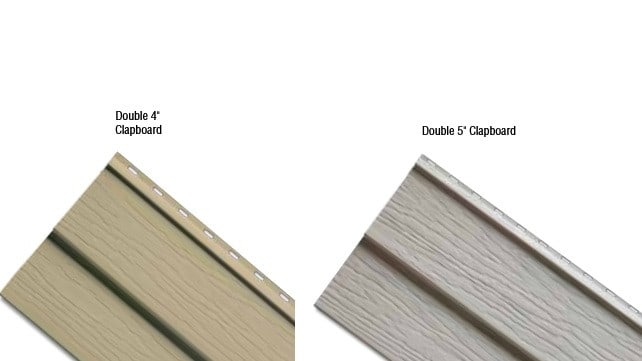
Woodgrain Series 2000 uses a Double 4-inch clapboard profile with a polyester finish and a collection of classic solid colors. Cedarwood moves in a different direction with a Double 5-inch clapboard profile, variegated wood-inspired colors and a PVDF/Kynar finish.
At Suburban Wholesale & Supply, we encourage contractors to treat this as an application decision rather than asking which product is universally better.
Start With the Design Goal
The easiest mistake is to begin with price.
Start with appearance instead.
Ask the homeowner:
- Do you want a classic solid siding color?
- Do you want noticeable color variation across the wall?
- Do you prefer a smaller or larger clapboard exposure?
- Are you trying to create a traditional look or something more distinctive?
- How much visual movement do you want in the siding?
Those answers usually point toward one product more naturally than the other.
Sales Principle: Woodgrain Series 2000 and Cedarwood are not simply two price points. They create two different exterior design stories.
Woodgrain Series 2000: The More Traditional Application
Gentek Woodgrain Series 2000 uses a Double 4-inch clapboard profile with two 4-inch exposures per panel.
It also uses an intricate woodgrain texture and classic solid colors such as Bright White, Sandstone, Almond, Wicker, Canyon Clay and Dover Gray.
That combination makes it a natural fit when the homeowner wants a traditional horizontal siding appearance without moving into a variegated color system.
Cedarwood: The More Distinctive Design Application
Cedarwood takes the aluminum siding presentation in a different direction.
Gentek specifies Cedarwood as a Double 5-inch clapboard with two 5-inch exposures per panel, a woodgrain texture, variegated colors and a PVDF/Kynar finish.
Its Aspen Gray, Chestnut Brown, Maple Tan and Tawny Oak colors are intended to create more variation across the exterior than a standard solid-color siding panel.
Think of Cedarwood as the option to show when the homeowner says, "I want something with more character than a standard siding color."
Double 4 vs. Double 5 Matters
Contractors should not treat a one-inch difference in exposure like a meaningless specification.
Woodgrain Series 2000's Double 4 profile creates more horizontal lines across the elevation.
Cedarwood's Double 5 profile creates a slightly broader clapboard appearance with fewer horizontal breaks.
On a large elevation, that difference can materially change the scale and visual rhythm of the home.
Don't sell D4 versus D5 as a specification. Show the homeowner how the different exposures change the house.
Both Use a 1/2-Inch Butt
Both products share an extra-deep 1/2-inch butt height.
That helps create dimension and stronger shadow lines on the finished exterior.
Turn both samples sideways during the presentation so the homeowner can physically see the depth.
Solid Color vs. Variegated Color Is a Major Decision
This may be the biggest visual distinction between the two products.
Woodgrain Series 2000 uses classic solid colors.
Cedarwood uses variegated colors designed to create a more natural-looking blend across the wall.
Woodgrain Series 2000 may fit better when the homeowner says:
- "I want a traditional white or neutral siding."
- "I like a consistent color across the house."
- "I want texture without a lot of color variation."
Cedarwood may fit better when the homeowner says:
- "I want the siding to have more movement."
- "I like the look of natural variation."
- "I don't want the whole wall to be one flat color."
- "I want something that looks different from standard siding."
The Finish Systems Are Different
Woodgrain Series 2000 uses Gentek's polyester finish system.
Cedarwood uses a PVDF/Kynar finish.
That is a meaningful technical distinction, but don't turn the kitchen-table presentation into a chemistry class.
Explain that Cedarwood uses a different premium exterior coating system, then rely on Gentek's current technical literature and warranty for the precise performance claims.
"Both are aluminum siding products. One of the upgrades with Cedarwood is the exterior finish system, along with the variegated color and wider profile. Let me show you those differences instead of just telling you one costs more."
Woodgrain Series 2000 May Be Better for a Classic Remodel
There are many homes where the goal is not to make the siding itself the dominant design feature.
Woodgrain Series 2000 may fit particularly well when:
- The homeowner wants a traditional horizontal appearance.
- The existing home uses a smaller siding exposure.
- The homeowner prefers solid colors.
- Brick, stone or another exterior feature should remain the visual focal point.
- The homeowner wants texture without dramatic color variation.
Cedarwood May Be Better When the Siding Is Part of the Design Statement
Cedarwood deserves consideration when the homeowner wants the siding itself to contribute more strongly to the overall design.
It may fit especially well when:
- The homeowner likes wood-inspired colors.
- The homeowner wants visible tonal variation.
- A larger 5-inch exposure works well with the architecture.
- The siding will cover large uninterrupted elevations.
- The homeowner wants something more distinctive than a classic solid-color exterior.
Think About the Size of the House
Profile scale matters.
On a smaller home, a Double 4 profile can create a familiar, traditional rhythm.
On larger elevations, Cedarwood's Double 5 exposure may help create a slightly broader visual scale.
These are not rigid rules. They are reasons to stand back from the house and evaluate the architecture before recommending the product.
Consider Existing Brick and Stone
Variegated siding next to heavily variegated brick or stone can create either a very rich exterior—or too much visual competition.
Don't guess.
Take Cedarwood and Woodgrain Series 2000 samples outside and compare them against:
- Existing brick
- Stone
- Roofing
- Window colors
- Doors
- Soffit and fascia
Sometimes a solid Woodgrain Series 2000 color will allow an existing masonry feature to stand out more clearly. On another home, Cedarwood's tonal variation may tie several exterior materials together beautifully.
Use Large Cedarwood Samples
Variegated products are difficult to sell accurately with tiny samples.
A six-inch piece may not show enough variation for the homeowner to understand what the finished wall will look like.
Whenever possible use:
- Large panel samples
- Multiple pieces together
- Completed-project photographs
- Manufacturer visualization tools
Woodgrain Series 2000 Can Be Easier to Coordinate
Gentek's Color Clear Through system helps coordinate Woodgrain Series 2000 colors with compatible siding, soffit, fascia, trim and rainware products.
For homeowners who want a straightforward matching exterior package, that can be a useful part of the presentation.
Cedarwood's variegated finish requires more deliberate coordination because the siding itself contains multiple visual tones.
Cedarwood Should Not Automatically Be Called "Better"
This is where good-better-best presentations can go wrong.
Cedarwood's PVDF finish, variegated color and Double 5 profile create meaningful differences.
But a homeowner who prefers a solid Bright White Double 4 exterior may actually like Woodgrain Series 2000 much more.
A higher-priced or more specialized product is not automatically the better design decision.
The right upgrade is the one the homeowner can see, understand and actually values.
Woodgrain Series 2000 vs. Cedarwood at a Glance
| Feature | Woodgrain Series 2000 | Cedarwood Aluminum |
|---|---|---|
| Material | Aluminum | Aluminum |
| Profile | Double 4-inch Clapboard | Double 5-inch Clapboard |
| Butt Height | 1/2 inch | 1/2 inch |
| Texture | Woodgrain | Woodgrain |
| Color Style | Classic solid colors | Variegated colors |
| Finish | Polyester finish | PVDF/Kynar finish |
| Design Direction | Traditional, consistent exterior | More distinctive, wood-inspired exterior |
| Best Initial Question | Do you prefer a classic solid-color woodgrain look? | Do you want more natural-looking color variation? |
A Simple Contractor Decision Process
- Determine whether the homeowner wants aluminum.
- Ask whether they prefer solid or variegated color.
- Compare Double 4 and Double 5 exposures.
- Put both products on the table.
- Let the homeowner feel the woodgrain textures.
- Show the 1/2-inch butt and shadow lines.
- Explain the different finish systems.
- Compare available colors.
- Take samples outside.
- Compare the siding with existing brick, stone and roofing.
- Show completed-project photographs.
- Review current Gentek warranty information.
- Verify current product and color availability.
- Then discuss installed price.
A Better Kitchen-Table Explanation
"These are both Gentek aluminum siding products with woodgrain texture, but they create two different looks. Woodgrain Series 2000 gives us a traditional Double 4-inch profile with classic solid colors. Cedarwood gives us a wider Double 5-inch profile and these variegated colors, so you get more natural-looking variation across the wall. Cedarwood also uses a different PVDF finish system. Neither one is automatically right for your house. Let's take these outside, compare them with your brick and roof and see which design actually fits better."
Let the Application Decide
Woodgrain Series 2000 and Cedarwood should not be competing for every aluminum siding customer.
Woodgrain Series 2000 has a strong place where the homeowner wants a traditional woodgrain texture, smaller Double 4 exposure and classic solid colors.
Cedarwood becomes more compelling when the homeowner wants a wider profile, variegated colors and a more distinctive wood-inspired exterior.
Don't ask which product is better. Ask which exterior you are trying to create.
Compare Gentek Aluminum Siding With Suburban Wholesale & Supply
Suburban Wholesale & Supply works with professional siding contractors throughout Davenport, Bettendorf, Moline, Rock Island and the surrounding Quad Cities, Eastern Iowa and Western Illinois.
Contractors can use our showroom and team as a resource for current Gentek Woodgrain Series 2000 and Cedarwood samples, colors, profiles, literature and product information.
Put the products side by side, understand the differences and make the recommendation based on the house and homeowner—not simply on which sample happens to be closest.
Sources & Additional Resources
- Gentek Building Products — Woodgrain Series 2000 Aluminum Siding: Current manufacturer information covering the Double 4-inch profile, 1/2-inch butt, woodgrain texture, polyester finish, colors and product features.
- Gentek Building Products — Cedarwood Aluminum Siding: Current manufacturer information covering the Double 5-inch profile, 1/2-inch butt, woodgrain texture, variegated colors and PVDF/Kynar finish.
- Gentek Building Products — Siding Product Specification Directory: Current product specifications and color matrices for Gentek aluminum siding products.
- Gentek Building Products — Aluminum Siding Warranty Resources: Current manufacturer warranty information for applicable aluminum siding products and finishes.
- Gentek Building Products — Color Clear Through: Current information regarding coordinated siding, soffit, fascia, trim and rainware colors.
- Arkema — Kynar 500: Technical information regarding PVDF resin technology used in architectural exterior coatings.
Part of: Aluminum & Trim
More in Aluminum & Trim
- Gentek Vinyl Soffit vs. Aluminum Soffit: Which Material Fits the Project?
- Gentek Solid vs. Vented Aluminum Soffit Options
- Gentek Deluxe vs. Woodgrain 2000 Aluminum Siding
- Why Custom-Bent Aluminum Is Better Than Making Stock Trim Fit
We stock 50 trim coil colors, soffit and fascia, along with Malco tools and Tapco brakes. We keep limited quantities of Gentek aluminum siding on hand.
Share This Post
Share it on Facebook or X, or send it through your device share sheet for Instagram.