Matching old aluminum siding color is rarely as simple as finding the original color name. Learn why fading, chalking, oxidation, dirt, sun exposure, discontinued colors and manufacturing changes can make old aluminum siding difficult to match.
Why Matching an Old Aluminum Siding Color Can Be Difficult
A homeowner brings in a damaged piece of aluminum siding and asks a simple question:
"Can you match this color?"
Sometimes the answer is yes.
Sometimes the answer is close.
And sometimes an exact visual match is simply unrealistic because the siding on the house has changed over time. At Suburban Wholesale & Supply, we encourage contractors to explain that reality before promising a replacement panel will disappear into a 20-, 30- or 40-year-old exterior.
The Original Color May No Longer Look Original
The first thing to understand is that the siding color you see today may not be the same color that was installed years ago.
Exterior siding spends decades exposed to sunlight, rain, snow, heat, cold, dirt and airborne contaminants.
Over time, those conditions can change the way the finish looks.
Color-Matching Rule: You are usually trying to match today's weathered appearance—not simply the original manufacturer's color name.
Sun Exposure Can Change the Appearance
Siding on one side of the house may receive substantially more direct sunlight than siding on another elevation.
That means the same original color can appear different depending on where the panel came from.
For example:
- South- and west-facing walls may receive more direct sun.
- North-facing walls may remain more shaded.
- Areas under porches may weather differently.
- Siding behind trees or landscaping may age differently.
One house can effectively have several slightly different versions of the same original color.
Chalking Can Affect the Surface Appearance
Chalking is a term used to describe a powdery material that can develop on the surface of some exterior coatings as they weather.
That surface change can make an older siding panel appear lighter, flatter or less saturated than a new replacement panel.
Contractors should avoid assuming that a lighter-looking panel necessarily started as a lighter factory color.
Dirt Can Make the Color Look Different
Not every color difference is finish deterioration.
Older aluminum siding may collect:
- Dirt
- Pollen
- Dust
- Mildew or organic growth
- Airborne pollutants
- Residue from nearby trees or landscaping
Before judging color, determine whether the sample is clean enough to make a meaningful comparison.
Oxidation and Weathering Can Change the Finish
Older coated metal surfaces can weather differently depending on age, exposure and maintenance.
The finish may lose some of its original depth, sheen or uniformity.
That can make a brand-new panel look noticeably different even when the replacement color is technically very close to the original specification.
The Original Color May Be Discontinued
Siding manufacturers change product lines over time.
Colors can be added, renamed or discontinued.
A customer may remember the original color name perfectly and still discover that the exact finish is no longer produced.
That is especially common on siding installed decades ago.
The Manufacturer May No Longer Exist
Older aluminum siding may come from a manufacturer or product line that is no longer available.
In those cases, the contractor may be comparing the sample with current products from a different manufacturer.
Even if two colors have similar names, that does not mean the coatings or visual appearance are identical.
Manufacturing Systems Change
Exterior coating technology changes over time.
A current aluminum siding product may use a different coating formulation or manufacturing process from siding produced decades earlier.
That can affect:
- Color depth
- Sheen
- Surface texture
- How the siding reflects light
Texture Changes How Color Looks
Two siding panels can have very similar color values and still look different because one is smooth and the other is textured.
Texture changes how light and shadow interact with the surface.
That is why a smooth replacement panel may not visually blend with older woodgrain siding even when the color is close.
Sheen Can Create a Visible Mismatch
Color is not the only thing the eye sees.
A new panel may reflect more light than an older weathered panel.
That difference in sheen can make the repair noticeable even if the basic color is fairly close.
New Material May Look Different Simply Because It Is New
This sounds obvious, but it matters.
A brand-new panel has not spent decades outside.
It has not accumulated dirt, experienced years of sunlight or gone through thousands of heating and cooling cycles.
A technically correct replacement can still be visually different because one panel is new and the surrounding siding is not.
Compare a Hidden Area Whenever Possible
One of the best ways to understand the original color is to find a section that received less exposure.
Look behind:
- Panel overlaps
- Corner posts
- Trim pieces
- Shutters
- Light fixtures
- Other covered areas
The protected area may provide a better clue to the original finish than the exposed face.
Clean a Test Area Before Making the Final Comparison
If practical and appropriate, compare the new sample against a clean section of the existing siding.
Follow proper cleaning guidance and avoid aggressive methods that could alter the finish.
The objective is to determine whether you're comparing a siding color or simply comparing clean material with dirty material.
Never Match Color Indoors Only
Showroom lighting can change how colors appear.
Always compare potential replacement colors outside in natural light before making a final judgment.
Ideally, evaluate the sample:
- On the actual elevation
- In sunlight
- In shade
- From several feet away
Compare Color on the Actual Wall Being Repaired
Do not compare a sample to the north side of the house if the repair is on the south side.
Different elevations may have weathered differently.
Evaluate the replacement sample exactly where it will be installed.
Location of the Repair Matters
A slight mismatch may be acceptable in one location and unacceptable in another.
Consider whether the repair is:
- On the front elevation
- Near the entry door
- At eye level
- High on a gable
- Behind landscaping
- On a low-visibility side wall
The homeowner's tolerance for mismatch may depend heavily on visibility.
A One-Panel Repair May Be More Visible Than an Entire Wall
Sometimes the closest current color is acceptable—but still obvious when installed as one new panel in the middle of an older elevation.
In those cases, replacing a larger section or complete wall may create a more consistent finished appearance.
That does not mean every repair should become an entire re-siding job.
It means the contractor should explain the visual options honestly.
Don't Promise That the New Panel Will "Fade In"
This is a dangerous promise.
A new replacement panel may weather over time, but that does not mean it will eventually become an invisible match to siding that already has decades of different exposure.
Do not solve today's mismatch complaint by making an unverifiable promise about what the siding may look like years from now.
Don't Promise a Paint Match Too Quickly Either
Painting replacement siding can sound like an easy solution.
But painting introduces questions about:
- Surface preparation
- Coating compatibility
- Sheen
- Adhesion
- Long-term maintenance
- Future weathering
Treat painting as its own coating decision rather than assuming it guarantees an invisible repair.
Match Profile Before Color
Color should not be the first step.
First verify that the replacement siding actually fits.
Confirm:
- Exposure
- Butt depth
- Texture
- Locking system
- Panel geometry
Then begin the color comparison.
Profile first. Lock second. Color third.
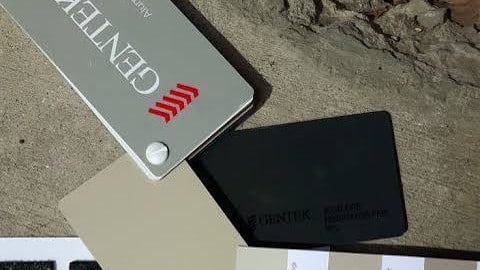
Compare Current Gentek Colors Honestly
Once a compatible current Gentek profile has been identified, compare available colors using actual siding samples.
Do not rely solely on a website image or printed brochure.
A current Gentek color may be extremely close to the existing siding without being an exact visual match.
Say that clearly.
Use a Three-Level Match Description
Contractors can make the conversation easier by avoiding the simple words "match" or "doesn't match."
Instead, describe the result as:
- Very Close Match — differences may be minor depending on lighting and location.
- Acceptable Repair Match — visible difference exists, but the homeowner may consider it reasonable for the repair location.
- Noticeable Mismatch — replacement is likely to stand out and another repair strategy should be considered.
That is more useful than pretending color matching is simply pass or fail.
Document the Homeowner's Approval
If the homeowner accepts a repair with a known color difference, document the approved sample and expectations.
That helps prevent a known limitation from becoming a surprise after installation.
A Simple Old-Color Matching Process
- Identify the existing siding profile.
- Verify lock compatibility.
- Clean the old sample if appropriate.
- Inspect a less-weathered area for original color.
- Compare current color samples.
- Take the samples outside.
- Compare them on the actual wall being repaired.
- View them in sunlight and shade.
- Step back and view the sample from normal viewing distance.
- Determine whether the result is very close, acceptable or noticeably different.
- Explain the result to the homeowner.
- Discuss alternative repair strategies if necessary.
- Document the final selection.
A Better Customer Explanation
"We can compare this with current colors, but I don't want to promise an exact match before we see it on the house. Your existing siding has been outside for years, so sunlight, weathering and normal aging may have changed its appearance. We'll first make sure the replacement profile fits, then we'll take the closest colors outside and compare them on the actual wall. After that, we can decide whether replacing a few panels will give you an acceptable result."
The Best Answer May Be "Close, But Not Exact"
Contractors sometimes feel pressure to give customers certainty.
Color matching old siding is one situation where false certainty creates problems.
A professional answer might be:
"This is the closest current color we found. It is not an exact match, and you will probably see some difference. Here are the repair options."
That's more useful than promising something the material cannot deliver.
Sell realistic expectations before you sell the replacement panel.
Bring Old Aluminum Siding Samples to Suburban Wholesale & Supply
Suburban Wholesale & Supply works with professional siding contractors throughout Davenport, Bettendorf, Moline, Rock Island and the surrounding Quad Cities, Eastern Iowa and Western Illinois.
If you're trying to match older aluminum siding, bring the most complete sample available along with photographs of the house and the exact repair location.
Our team can help compare the old siding with current Gentek profiles and colors and help determine whether a practical repair match may be available.
Sources & Additional Resources
- Gentek Building Products — Deluxe Aluminum Siding: Current aluminum siding colors, profiles, finish and product information.
- Gentek Building Products — Woodgrain Series 2000 Aluminum Siding: Current color, texture and aluminum siding product information.
- Gentek Building Products — Cedarwood Aluminum Siding: Current information regarding variegated aluminum siding colors and finishes.
- Gentek Building Products — Aluminum Siding Warranty Resources: Current manufacturer information regarding finish performance, color-change provisions and applicable limitations.
- Gentek Building Products — Product Directory: Current siding color and profile availability information for Gentek aluminum products.
- The Aluminum Association — Building & Construction: Industry information regarding aluminum exterior building products, coatings and long-term exterior exposure.
Part of: Aluminum & Trim
More in Aluminum & Trim
- Gentek Aluminum Coil Matching Guide | Bettendorf, Iowa
- Matching Gentek Fascia Colors | Exterior Color Guide
- Why Custom-Bent Aluminum Is Better Than Making Stock Trim Fit
- Five Brake Buddy Details That Can Make Aluminum Trim Look Better | Suburban Wholesale & Supply
We stock 50 trim coil colors, soffit and fascia, along with Malco tools and Tapco brakes. We keep limited quantities of Gentek aluminum siding on hand.
Share This Post
Share it on Facebook or X, or send it through your device share sheet for Instagram.