A remodeling company that already sells vinyl siding does not need to reinvent its entire business to add steel and aluminum. Learn how to expand into metal siding by starting with a focused product lineup, training sales and production teams, building samples, pricing correctly and using metal as a strategic upgrade rather than a replacement for vinyl.
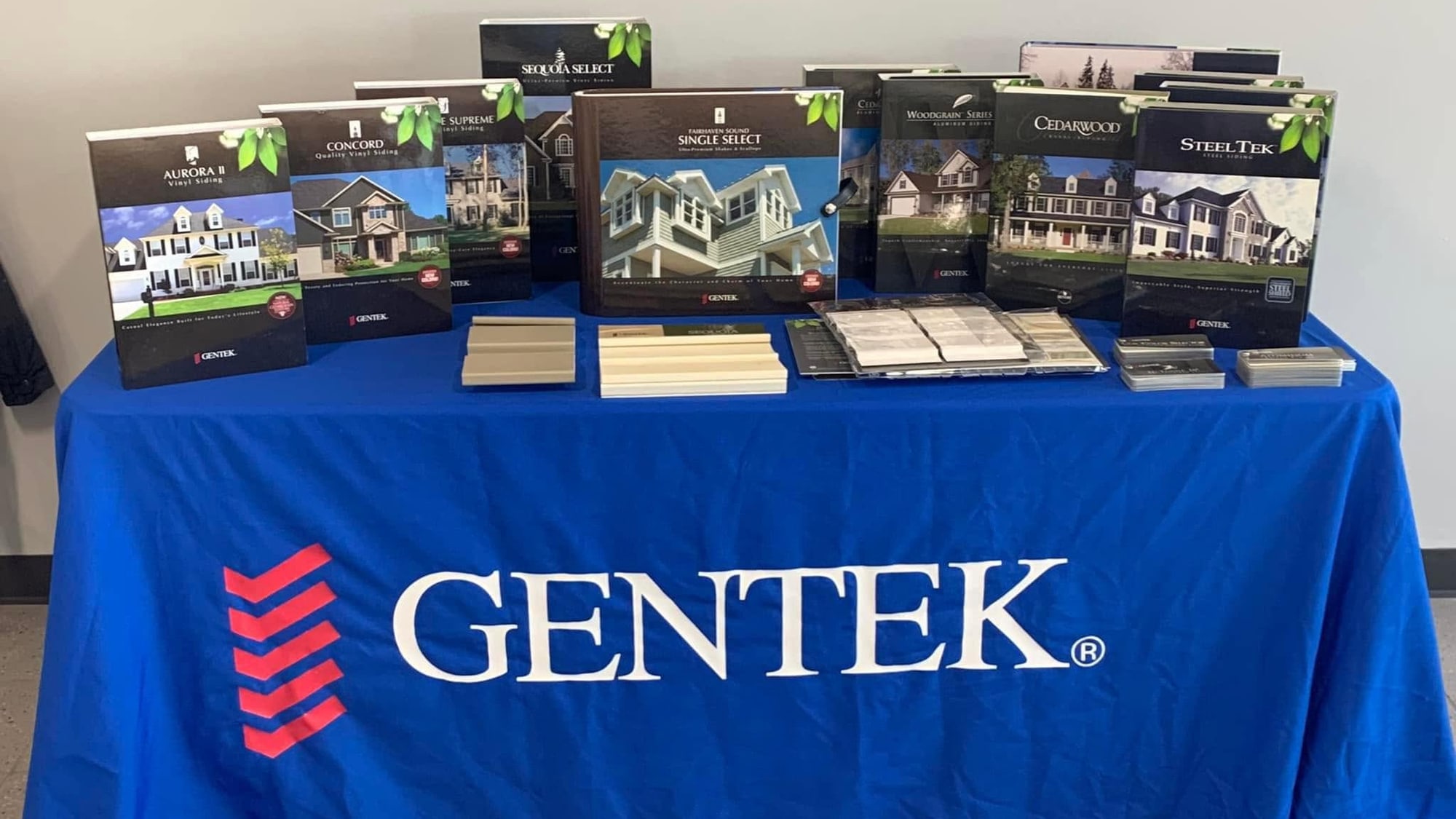
How to Add Metal Siding to a Vinyl-Only Remodeling Company
If your remodeling company already sells vinyl siding successfully, adding metal siding does not mean abandoning what already works.
It means expanding the number of homeowners you can serve.
Steel and aluminum give contractors additional design, durability and upgrade options for homeowners who want something beyond a standard vinyl presentation.
At Suburban Wholesale & Supply, we recommend adding metal siding deliberately. Start with a small product lineup, train the sales team, prepare production, build physical demonstrations and learn how to position metal alongside vinyl rather than against it.
Do Not Start by Replacing Vinyl
Vinyl is still a strong siding category.
If your company already sells it well, keep selling it.
The mistake is thinking that adding steel or aluminum means your salespeople should start bad-mouthing vinyl.
Expansion Rule: Add metal as another solution—not as proof that your existing vinyl offering was wrong.
Metal Should Expand Your Good-Better-Best
One of the easiest ways to introduce metal is through a broader good-better-best presentation.
The exact products will depend on the homeowner, project and current local availability.
| Position | Possible Conversation |
|---|---|
| Good | Quality vinyl siding system |
| Better | Upgraded vinyl, aluminum or entry-level metal option depending on homeowner priorities |
| Best | Premium steel or higher-end metal system selected for appearance, construction and performance priorities |
Do not force the same hierarchy on every project. The purpose is to give homeowners legitimate choices.
Step #1: Choose a Small Starting Product Line
Do not try to learn every steel and aluminum siding product at once.
Start with a focused lineup.
For example, you might learn:
- One premium steel system
- One additional steel option
- One premium aluminum option
- One mainstream aluminum option
Become good at presenting those products before expanding the catalog.
Step #2: Learn the Gentek Metal Options Available to You
Contractors working with Gentek should understand the current steel and aluminum products available in their market.
Depending on regional availability, that may include products such as:
- SteelTek Supreme
- Other Gentek steel siding profiles
- Cedarwood Aluminum
- Woodgrain Series 2000
- Deluxe Aluminum
Verify current product, color and profile availability before building your sales program around any specific line.
Step #3: Train Sales Before You Advertise
Do not add "steel siding" to your website if your salesperson cannot confidently explain what it is.
Before marketing metal siding, salespeople should know:
- Basic panel construction
- Profiles
- Textures
- Colors
- Finish systems
- Warranty basics
- Common homeowner objections
- When metal is a good recommendation
- When metal is not the right recommendation
Step #4: Teach the Team How to Introduce Metal
Do not wait for the homeowner to ask for steel siding.
Many homeowners have never considered it.
A simple transition can be:
"Vinyl is still a very good option, and I want to show you that first. I also have a couple of metal siding options that some homeowners prefer for appearance, construction or durability. Would you like to see the difference before we narrow the choices?"
That introduces metal without insulting the product the homeowner originally expected to see.
Step #5: Build a Physical Demo Kit
Metal siding is much easier to explain when the homeowner can touch it.
Your starter kit should include:
- A vinyl sample
- A steel sample
- An aluminum sample
- Current color samples
- Profile samples
- Current warranty literature
- Installation-detail photos
Demo Rule: Do not ask the homeowner to pay more for a product difference they cannot see, touch or understand.
Step #6: Sell Appearance Before Metallurgy
Contractors love technical specifications.
Homeowners usually start with appearance.
Begin with:
- Profile
- Shadow lines
- Texture
- Color
- Architectural fit
Once they like what they see, explain the panel construction and finish system.
Step #7: Learn the Objections Before the First Appointment
Metal siding brings predictable questions.
Prepare clear answers for:
- Will it dent?
- Will it rust?
- Is rain louder?
- Does it fade?
- Does it make the house hotter or colder?
- Is it difficult to repair?
- What happens if it gets scratched?
- Why does it cost more than vinyl?
Do not dismiss legitimate concerns. Experts answer tradeoffs honestly.
Step #8: Train Production Before Selling Volume
Sales cannot outrun installation.
Before aggressively selling metal siding, your production team should understand the manufacturer's current installation requirements.
Training should cover:
- Panel handling
- Cutting
- Fastening
- Wall preparation
- Water management
- Windows and doors
- Corners
- Transitions
- Accessory installation
Step #9: Start With the Right Projects
Your first metal project should not be the most difficult house your company has ever seen.
Choose early projects where:
- The elevations are reasonably straightforward
- The homeowner understands the product
- The design fits the material well
- Your supplier and manufacturer support are available
Build confidence before complexity.
Step #10: Bring Your Supplier Into the First Jobs
Do not try to learn everything alone.
Use your distributor and manufacturer representatives as resources during the transition.
Ask for help with:
- Takeoffs
- Accessories
- Product selection
- Installation questions
- Sales samples
- Training
Step #11: Learn the Accessory Package
A siding system is more than wall panels.
The estimator should understand the full accessory requirements for the selected metal system.
That may include:
- Starter components
- J-channel
- Inside corners
- Outside corners
- Utility or finish trim
- Soffit and fascia components
- Trim coil
- Sealants where appropriate
Underestimating accessories is an easy way to destroy margin on a new product category.
Step #12: Rebuild Your Estimating Template
Do not simply swap a steel material price into your vinyl estimating spreadsheet.
Review:
- Material cost
- Accessory cost
- Waste
- Freight
- Delivery
- Labor expectations
- Special tools
- Training cost
- Production slowdown during the learning curve
- Required gross margin
New Product Rule: If you price your first metal jobs exactly like familiar vinyl jobs, you may be pricing confidence you do not yet have.
Protect Margin During the Learning Curve
Your first crew may not install metal at the same pace they install vinyl.
That is normal.
Build enough labor into early projects to allow the crew to work correctly without creating a financial penalty for learning the product.
Step #13: Track Actual Labor
Every metal project should generate better estimating data.
Compare:
- Estimated labor hours
- Actual labor hours
- Estimated waste
- Actual waste
- Estimated accessories
- Actual accessory usage
Your tenth project should be easier to estimate than your first.
Step #14: Build a Metal Siding Sales Kit
Once the team has product knowledge, package it.
A practical sales kit can include:
- Steel sample
- Aluminum sample
- Your primary vinyl sample
- Current colors
- Profile literature
- Warranty information
- Good-better-best comparison sheet
- Installation photos
- Completed-project photos
Step #15: Do Not Overload the Homeowner
Adding metal does not mean your salesperson should unload 40 samples onto the kitchen table.
Discovery comes first.
Ask:
- What do you like about your current exterior?
- What do you want to change?
- How important is low maintenance?
- How important is impact resistance?
- How important is appearance?
- How long do you plan to stay in the home?
Then show the products that fit those answers.
Step #16: Introduce Metal to Existing Vinyl Leads
You do not need a separate metal-siding lead source on day one.
Start with the homeowners already calling for siding.
Add one simple question to discovery:
"Would you like me to show you one or two metal siding options as well, just so you can compare before making a decision?"
Step #17: Don't Make Metal a Surprise Upgrade
If the homeowner only sees metal at the end of the appointment after falling in love with a vinyl price, the jump may feel arbitrary.
Introduce the category early enough that they understand why it is being considered.
Step #18: Build an Objection Library
After every presentation, write down the questions you heard.
Build short approved answers based on current manufacturer information.
Within a few months, your entire sales team should be answering the same metal questions consistently.
Step #19: Photograph the First Five Metal Projects Aggressively
You need proof.
On your first projects, collect more documentation than you think you need.
Take:
- Before photos
- During-installation photos
- Full elevations
- Profile close-ups
- Window details
- Corner details
- Material transitions
- Finished exterior photos
Step #20: Turn Each Project Into a Case Study
Each metal siding project should become future sales material.
Document:
- Home style
- Location
- Homeowner priorities
- Products considered
- Why metal was selected
- Profile
- Color
- Installation details
- Finished result
Step #21: Add Metal Content to the Website
Once you have real product knowledge and project experience, publish it.
Build content around questions like:
- Steel siding vs. vinyl siding
- Aluminum siding vs. vinyl siding
- Does steel siding dent?
- Can steel siding rust?
- Is aluminum siding outdated?
- How much does metal siding cost?
- Can damaged metal siding be repaired?
- Which metal siding profile fits my home?
Step #22: Create Short Videos
Metal siding is a strong visual category.
Film simple comparisons.
For example:
- Steel vs. vinyl panel
- Aluminum vs. steel
- Different metal profiles
- Finish comparison
- How panels lock together
- How a corner is finished
Step #23: Use Metal as an Accent Before Selling Whole Houses
A full metal exterior is not the only way to start.
Depending on the product and project design, metal may be used strategically on selected architectural sections.
Accent projects can help both sales and production teams become more comfortable with the category.
Step #24: Build Internal Product Champions
Do not expect everyone in the company to become an expert overnight.
Pick one salesperson and one production leader to become your initial metal siding champions.
They should:
- Attend training
- Work with the supplier
- Review early jobs
- Answer internal questions
- Update the rest of the team
Step #25: Hold a Metal-Siding Training Day
Bring sales and production together.
Cover:
- Product families
- Profiles
- Finishes
- Sales demonstration
- Homeowner objections
- Installation fundamentals
- Cutting and fastening
- Accessories
- Estimating
- Warranty basics
One focused training day can eliminate a surprising amount of hesitation.
Step #26: Know When NOT to Sell Metal
Adding a new product can create pressure to sell it everywhere.
Resist that.
If the homeowner's budget, architecture, priorities or project conditions make vinyl the better recommendation, sell vinyl.
The fastest way to destroy trust in a new product category is to recommend it where it does not belong.
Step #27: Do Not Let Sales Outrun Production
This is the biggest operational risk.
If the sales team closes ten metal jobs before the installation department is ready, the new category can become a production problem instead of a growth opportunity.
Growth Rule: Sell metal siding only as fast as your company can install it correctly.
A 90-Day Metal Siding Launch Plan
| Time | Focus |
|---|---|
| Days 1–30 | Select products, train sales and production, build samples and update estimating |
| Days 31–60 | Introduce metal during existing siding appointments and carefully sell the first projects |
| Days 61–90 | Review job costing, create case studies, publish content and refine the sales presentation |
Track Five Numbers
If you want the category to grow intelligently, measure it.
- Metal presentation rate: How often are appropriate homeowners actually shown a metal option?
- Metal close rate: How often does a presented metal option sell?
- Average metal job size: Is the category increasing revenue per project?
- Gross margin: Are metal jobs actually profitable?
- Labor variance: How close are estimated installation hours to actual hours?
Don't Judge the Program After Three Appointments
Your salespeople may initially be much more comfortable presenting vinyl.
That does not mean homeowners do not want metal.
It may mean the team needs more practice.
Give the program enough presentations and completed projects to generate meaningful data.
A Better Kitchen-Table Introduction
"You originally called us about vinyl siding, and we have several very good vinyl options. Before we narrow everything down, I also want to show you two metal options. You may decide vinyl is still the best value for your project, but I would rather you see the differences in profile, finish, construction and price before making that decision."
The Goal Is More Choices, Not More Confusion
Adding metal siding should improve the sales process.
It should not create a 90-minute product lecture.
Use discovery to narrow the products.
Demonstrate the meaningful differences.
Recommend what fits the homeowner.
Don't turn a vinyl-only company into a metal-only company. Turn it into a siding company that knows how to recommend more than one material intelligently.
Build Your Metal Siding Program With Suburban Wholesale & Supply
Suburban Wholesale & Supply works with professional siding contractors throughout Davenport, Bettendorf, Moline, Rock Island and the surrounding Quad Cities, Eastern Iowa and Western Illinois.
Contractors can use our team as a resource for Gentek steel and aluminum siding, samples, literature, takeoffs, ordering, product demonstrations, custom aluminum products and contractor training.
If your company already knows how to sell and install vinyl siding, you already have much of the foundation. Add metal carefully, train the team, protect your margins, document the first projects and build the category one successful job at a time.
Sources & Additional Resources
- Gentek Building Products — Product Directory: Current manufacturer reference for steel and aluminum siding profiles, colors, specifications and product availability information.
- Gentek Building Products — Steel Siding Resources: Current manufacturer product information, technical resources and warranty materials for Gentek steel siding systems.
- Gentek Building Products — Cedarwood Aluminum: Manufacturer information regarding Cedarwood Aluminum profile, finish, color and product characteristics.
- Gentek Building Products — Woodgrain Series 2000: Manufacturer information regarding aluminum siding profile, texture, finish and current product features.
- Gentek Building Products — Deluxe Aluminum: Manufacturer information regarding current smooth aluminum siding profiles, finishes and available product characteristics.
- Gentek Building Products — Warranty Resources: Current written warranty information for applicable steel and aluminum siding products.
- Metal Construction Association: Industry educational resources regarding architectural metal products, coatings, installation considerations and metal building applications.
- The Aluminum Association — Building & Construction: Industry information regarding aluminum characteristics and building applications.
- TAPCO Tools: Manufacturer information regarding portable siding brakes and professional field fabrication of aluminum exterior trim.
Part of: Vinyl Siding
More in Vinyl Siding
- What Cheap Vinyl Siding Looks Like Five Years Later | Suburban Wholesale & Supply
- Hidden Costs of Builder-Grade Vinyl Siding | .038 vs .040 vs .042
- .040 vs .046 Vinyl Siding: What's the Real Difference? | Suburban Wholesale & Supply
- How to Replace Individual Vinyl Siding Panels | Suburban Wholesale & Supply
We stock all 29 colors of Gentek Sequoia Select D4 in our Davenport warehouse, and stocked items are usually ready same day or next day.
Share This Post
Share it on Facebook or X, or send it through your device share sheet for Instagram.