Cheap vinyl siding may look fine on installation day, but the differences can become more obvious years later. Learn what homeowners often notice over time, from wall appearance and seams to repairs, rigidity, and trim quality.
Vinyl Siding Quality & Long-Term Appearance
What Homeowners Notice Five Years Later From Cheap Vinyl Siding Systems
Cheap vinyl siding can look perfectly acceptable on installation day. The bigger question is what the homeowner notices after a few seasons of heat, cold, wind, sun, and everyday exposure. Five years later, the differences in panel construction, rigidity, installation quality, trim details, and material selection can become much easier to see.
Most homeowners do not judge siding with a micrometer.
They judge it from the driveway, from the front porch, and every time they walk around the house.
That is why a lower-cost vinyl siding system can feel like a good decision at first and still become disappointing later. The issue is not always a dramatic failure. More often, it is a collection of small things that become noticeable over time.
The walls may look less smooth. Seams may stand out more. Panels may show more movement. Trim details may look light or flat. Repairs may become harder to match. The homeowner may simply feel that the exterior does not look as substantial as they expected.
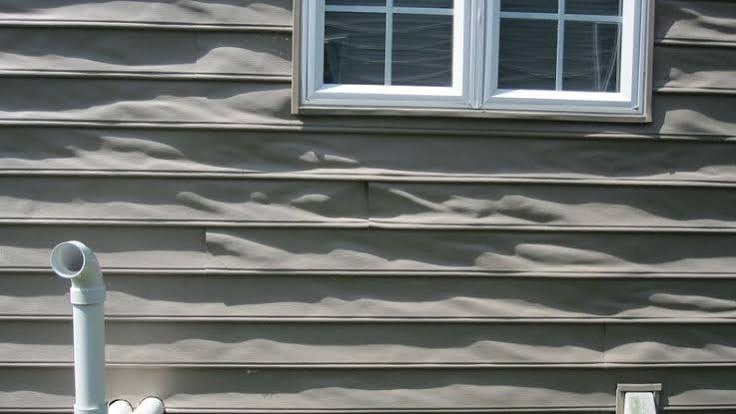
1. The Wall May Not Look as Straight as It Did on Day One
Vinyl siding follows the wall underneath it.
If the substrate was uneven or the panel construction is lighter, small wall irregularities can become more visible as the homeowner gets used to looking at the exterior.
Heavier, more rigid siding does not fix a bad wall, but it can contribute to a more substantial and consistent finished appearance when installed over a properly prepared surface.
2. Panel Movement Becomes Easier to Notice
Vinyl siding expands and contracts with temperature changes. That movement is normal and is one reason correct installation matters so much.
On lower-cost systems, homeowners may become more aware of panel movement, slight waviness, or changes in how the wall looks during hot and cold weather.
Proper fastening, correct clearances, good wall preparation, and the manufacturer's installation requirements all play a role in how well the siding handles that movement over time.
3. Seams and Overlaps Can Stand Out More
On installation day, most homeowners are looking at the whole house.
Five years later, they know every wall.
That is when lap locations, panel seams, and transitions may become more noticeable, especially on long elevations or highly visible areas.
Panel length, profile, rigidity, layout, and installation technique all influence how visible those details become.
4. Thin-Looking Trim Can Make the Whole Exterior Feel Cheaper
Homeowners often think they are buying siding when they are really buying an entire exterior system.
Corners, window trim, door trim, soffit, fascia, mounting blocks, channels, and transitions all affect the finished look.
If the main siding is paired with basic or undersized accessories, the exterior can begin to feel flatter and less finished as the homeowner becomes more familiar with it.
Premium siding systems usually benefit from a complete trim package that supports the same level of appearance as the main panel.
5. Color Differences Become More Obvious During Repairs
A damaged panel is usually a small problem until the contractor tries to match it.
After several years of exposure, the existing siding may no longer look exactly like a brand-new piece in the original factory color.
If the original product has also been discontinued or changed, a simple repair can become a product-identification and color-matching challenge.
That does not happen only with lower-cost siding, but product availability and repairability deserve more attention when choosing a system expected to remain on the house for many years.
6. Small Installation Shortcuts Start to Show
Cheap material and cheap installation are not the same thing, but they often get paired together when the entire project is being driven by the lowest possible number.
That is where problems begin.
Poor wall preparation, incorrect fastening, weak flashing details, rushed trim work, and improper clearances may not all be obvious immediately.
Over time, those details can become much more noticeable than the small amount saved on the original bid.
7. The Exterior Can Feel Less Substantial
This is difficult to describe on a quote but easy to understand in person.
Heavier panels, deeper laps, stronger shadow lines, better trim proportions, and more rigid construction can give a finished exterior more visual weight.
A lower-cost siding system may still function perfectly well, but homeowners who expected a premium-looking renovation can eventually notice that the exterior feels lighter or flatter than they wanted.
8. The Homeowner Starts Comparing Their House to Better Siding Jobs
This is one of the hidden risks of making a product decision based only on price.
The homeowner may be satisfied until they see a neighbor's house with deeper shadow lines, straighter walls, more substantial corners, and a premium siding profile.
At that point, the difference becomes visual rather than theoretical.
A contractor who explains those differences before the sale gives the homeowner a chance to decide whether the upgrade matters to them.
9. Repairs Can Cost More Than Expected
A small repair can become expensive if the original siding is hard to identify, the profile has changed, or the color is no longer available.
Contractors may need to spend additional time identifying the material, sourcing replacement panels, discussing color differences, or determining whether a larger section needs to be replaced.
That is one reason product support, local inventory, and a knowledgeable distributor matter long after the original installation.
10. Homeowners Remember the Decision, Not the Initial Savings
Five years after installation, most homeowners do not remember the exact difference between two siding quotes.
They remember whether they still like the way the house looks.
They remember whether the siding feels solid, whether the walls look straight, whether repairs were easy, and whether the exterior still feels like the upgrade they thought they were buying.
That is why the lowest initial price is not always the lowest long-term cost.
Cheap Siding Is Not Always the Problem. Cheap Decisions Are.
A value-focused vinyl siding system can absolutely be the right choice for the right project.
The problem is when homeowners are never shown what changes as they move into heavier or more premium products.
Contractors should compare more than color and price.
- Nominal panel thickness
- Rigidity
- Profile and lap depth
- Nail-hem construction
- Locking-system design
- Trim and accessory options
- Manufacturer specifications
- Wind-load information
- Warranty terms
- Expected finished appearance
That gives the homeowner enough information to make an intentional decision instead of simply accepting the cheapest material on the estimate.
A Better Siding System Gives You More Margin for the Long Term
Premium siding is not a substitute for good installation, and thickness alone does not determine quality.
But heavier construction, greater rigidity, stronger panel systems, deeper profiles, and better accessory packages can all contribute to the type of finished exterior homeowners are more likely to appreciate years after installation.
That is why products such as Gentek Sequoia Select .046" siding deserve to be part of the conversation when a homeowner is planning to stay in the house and cares about long-term appearance.
Sell the Five-Year Result, Not Just the Installation-Day Price
Contractors create more value when they help homeowners think beyond today's estimate.
What will the walls look like? How substantial will the siding feel? How will repairs be handled? Are the accessories and trim consistent with the quality of the main panel? Does the product match the homeowner's long-term expectations?
Those are the questions that matter five years later.
At Suburban Wholesale & Supply, our sales counter team can help contractors compare vinyl siding systems, manufacturer specifications, thicknesses, profiles, accessories, and material options before the job begins.
Help Your Customer Look Five Years Ahead
Talk with the sales counter team at Suburban Wholesale & Supply about value-grade and premium vinyl siding options. We can help you compare products, thicknesses, profiles, accessories, and manufacturer specifications so your customer understands what they are buying for the long term.
Compare Vinyl Siding OptionsPart of: Vinyl Siding
More in Vinyl Siding
- Hidden Costs of Builder-Grade Vinyl Siding | .038 vs .040 vs .042
- .040 vs .046 Vinyl Siding: What's the Real Difference? | Suburban Wholesale & Supply
- How to Replace Individual Vinyl Siding Panels | Suburban Wholesale & Supply
- Understanding Vinyl Siding J-Channel | Bettendorf, Iowa
We stock all 29 colors of Gentek Sequoia Select D4 in our Davenport warehouse, and stocked items are usually ready same day or next day.
Share This Post
Share it on Facebook or X, or send it through your device share sheet for Instagram.